
THE BREAKUP THAT NEARLY ENDED THE BEE GEES — The Painful Chapter That Changed Music…
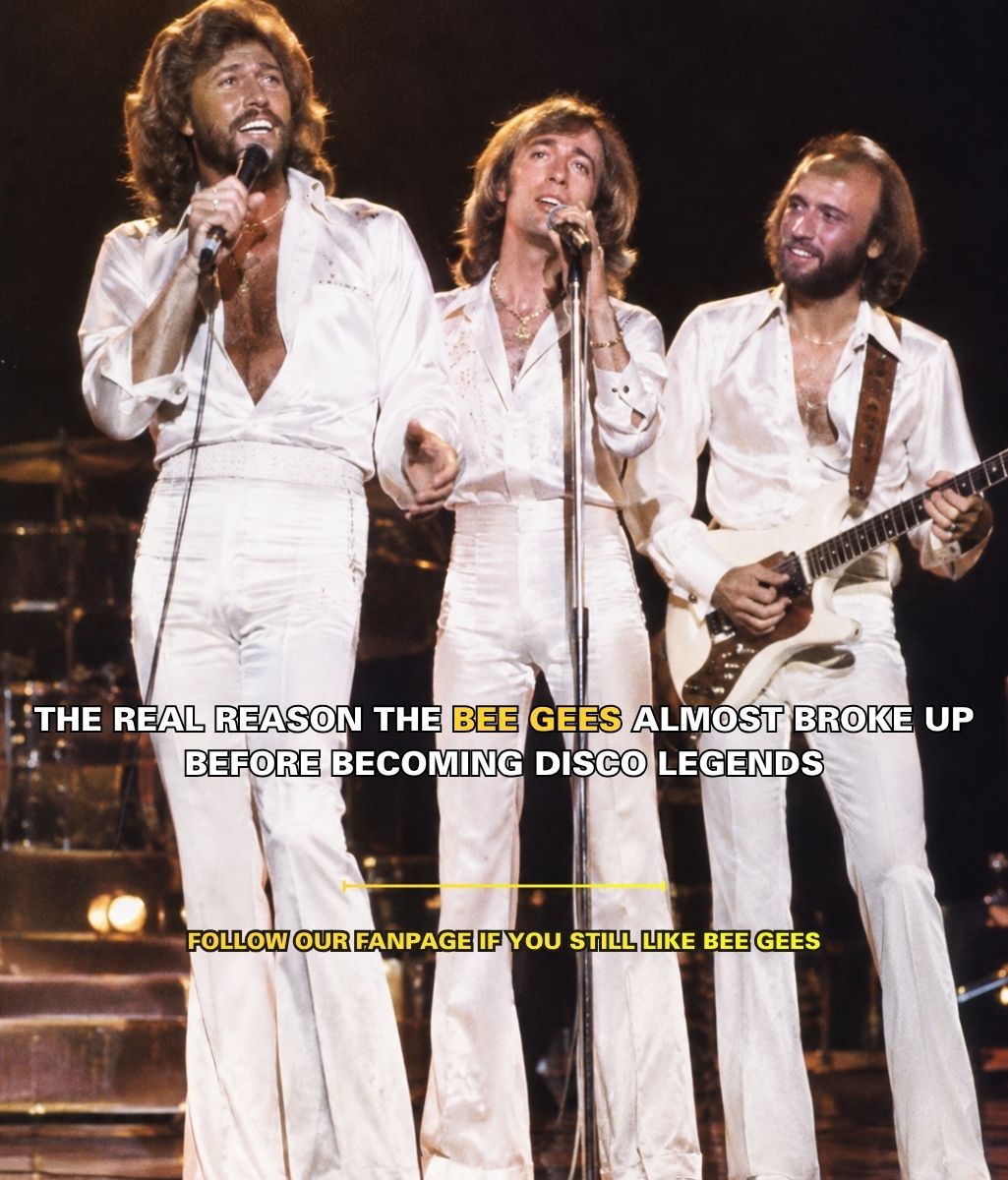
Watch the video at the end of this article.
Introduction
Before the Bee Gees became one of the most recognizable musical groups of their generation, there was a moment when it seemed the three brothers might never sing together again. Behind the beautiful harmonies, polished recordings, and bright lights was a deeply personal period of uncertainty. In 1969, Barry, Robin, and Maurice Gibb were no longer moving in the same direction. Their shared dream had begun to crack, and a difficult decision involving two songs would become one of the most painful chapters in their early history.
The tension grew during the creation of Odessa, an ambitious project that revealed just how different the three brothers could be as musicians. Each had his own ideas, ambitions, and artistic instincts. That creativity had always been part of the Bee Gees’ strength, but it could also become a source of conflict. Barry wanted his musical vision heard. Robin wanted his own voice and ideas to receive the same recognition. Maurice often found himself between two strong personalities, trying to help hold the group together.
Then came the decision that changed everything. Two songs stood at the center of the disagreement: Barry’s “First of May” and Robin’s “Lamplight.” Both carried emotional weight and reflected the brothers’ songwriting abilities. But when “First of May” was selected as the album’s principal single, Robin felt deeply disappointed. To him, the decision represented more than one song. It touched on recognition, artistic independence, and his place within the group.
One song moved forward. The other seemed to represent everything Robin felt he was losing.
For longtime music fans, it is easy to look back now and see the Bee Gees as an inseparable unit. Their voices seem almost impossible to imagine apart. Their harmonies became one of the most distinctive sounds in popular music. Yet in 1969, that unity was anything but certain.
Robin walked away.
The decision created a new chapter for all three brothers. The Bee Gees, as the world knew them, had effectively broken apart. Maurice and Barry continued working together for a time, while Robin pursued a solo career. Instead of three voices blending together, there were now separate paths.
It was a painful separation, but it also revealed something important. The three brothers were not simply performers who happened to share a surname. They were individual musicians with strong creative identities. Each had something to say, and each wanted to be heard. Robin’s solo work gave him an opportunity to establish himself beyond the group, while Barry and Maurice continued exploring music together.
For more than a year, the future of the Bee Gees remained uncertain.
Three brothers. Three voices. One dream that suddenly seemed broken.
Yet history has a strange way of transforming painful moments into turning points. The separation forced each brother to confront what the Bee Gees meant to him. Distance created perspective. Without the constant pressure of working together, they had time to explore individual ideas and understand what they had actually built as a group.
By August 1970, the brothers had reunited.
The old disagreements did not simply disappear. Family relationships rarely work that way. Years of shared history cannot be erased by one reunion. But something had changed. They returned with a clearer understanding of their individual strengths and a renewed appreciation for what they could accomplish together.
The Bee Gees were no longer simply returning to the past. They were preparing to build something new.
That distinction would become crucial. The years that followed transformed their career. Their songwriting became more confident. Their harmonies became even more distinctive. Their production skills developed. Their voices matured. Most importantly, the brothers learned how to turn their differences into creative strength rather than allowing those differences to tear the group apart.
Then came the era that would make their name unforgettable.
By the middle of the 1970s, the Bee Gees had become central figures in the explosion of disco and dance music. Songs such as “Jive Talkin’,” “Nights on Broadway,” “How Deep Is Your Love,” “Stayin’ Alive,” and “Night Fever” became part of the soundtrack of an entire generation.
Looking back, the contrast is remarkable. Only a few years earlier, the brothers had been separated. Their future seemed uncertain. Their creative differences had become deeply personal. Yet the very experience that nearly ended the group helped prepare them for the extraordinary transformation that followed.
The breakup became a lesson. The distance created perspective. The reunion created a new beginning.
For older listeners who remember the Bee Gees from the 1970s, this part of their history carries a special emotional resonance. It is easy to remember the glittering performances, unforgettable melodies, and unmistakable harmonies. But behind those famous moments were three brothers who had experienced disappointment, frustration, ambition, and reconciliation.
Their story reminds us that success is rarely as simple as it appears from the outside. Sometimes people must step away before they understand what they truly value. Sometimes creative disagreements reveal deeper needs. And sometimes a painful separation becomes the very experience that makes a later reunion possible.
The Bee Gees did not become legends because everything always went smoothly. They became legends because they found a way forward when everything seemed to be falling apart.
The decision involving “First of May” and “Lamplight” may have looked like the end of their story in 1969. Instead, it became part of the path toward one of the most remarkable transformations in popular music.
The three brothers eventually found their way back to the same room, the same microphones, and the same musical conversation. And this time, they were different.
The breakup that nearly ended the Bee Gees became the turning point that helped create the Bee Gees the world would never forget.