
THE FINAL 24 HOURS — Cindy Crawford’s son Presley Gerber and a heartbreaking night of…
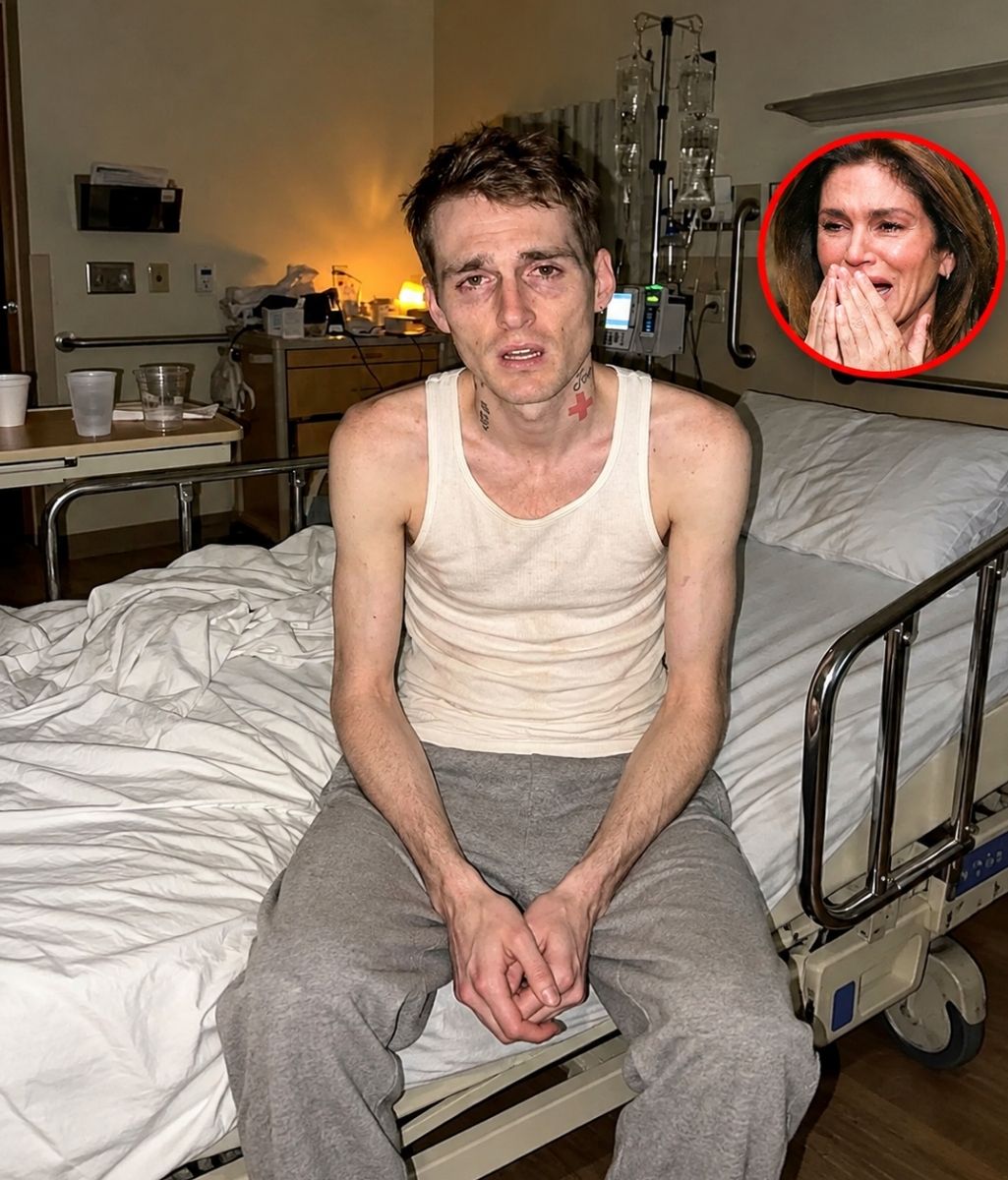
Some stories remind us that even lives surrounded by opportunity, recognition, and family support can contain struggles that remain difficult for others to see.
The story of Presley Gerber, son of supermodel Cindy Crawford and businessman Rande Gerber, touches on the complicated realities of personal hardship, public attention, and the search for a sense of belonging.
Growing up in a family recognized around the world meant that Presley experienced a childhood very different from that of most young people. His mother had built an internationally celebrated modeling career, while his father established himself in business and hospitality. His sister, Kaia Gerber, would also become a prominent figure in fashion. Yet a famous surname could never tell the whole story of the young man behind it.
Presley developed his own interests and pursued modeling, appearing in fashion campaigns and public events. His tattoos, distinctive appearance, and candid personality attracted attention, sometimes making him a subject of intense public discussion. But the photographs and headlines offered only fragments of a much more complicated individual life.
The subject of mental health and recovery deserves particular care when discussing someone whose life is being described through public stories. Addiction and emotional distress are not simple problems with equally simple solutions. Recovery can involve difficult decisions, setbacks, professional support, and the patience to keep moving forward even when progress feels uncertain. It is also important to distinguish a person’s documented experiences from assumptions made by strangers.
For families living under public scrutiny, these challenges can become especially difficult to navigate. Every appearance may invite commentary, every personal decision may become a headline, and private experiences can be interpreted through the expectations attached to celebrity. The people closest to someone, however, often know a much more personal story than the public ever sees.
Cindy Crawford and Rande Gerber have shared the experience of raising children while managing careers that brought considerable attention to their family. Their relationship with Presley cannot be reduced to their public identities, just as his own life cannot be summarized by the difficulties attributed to him. Family affection, individual independence, and the realities of adulthood can coexist in complicated ways.
The account of a final night at a recovery facility, including the specific 10 p.m. arrival, the following morning, and the circumstances described in the supplied story, should not be treated as established fact without reliable confirmation. Likewise, the quoted statement and claims about the family’s reactions need verifiable sources before being presented as genuine reporting.
What remains meaningful in this subject is the broader conversation about seeking help and the importance of treating people experiencing addiction or emotional distress with dignity. Asking for support can require considerable courage, and recovery is not a measure of someone’s worth or the love they receive from family and friends.
For readers, the most important lesson is not to assume that wealth, opportunity, or a supportive family makes someone immune to hardship. Nor should a person’s struggles become entertainment simply because their family is famous.
Presley Gerber’s life and experiences deserve to be discussed with accuracy, compassion, and respect. A heartbreaking narrative may attract attention, but the truth matters more than a dramatic timeline, especially when it concerns someone’s life, health, and family.